
Sustainability in hospitality has moved from a niche concept to a core business strategy for hotels around the world. The industry is recognizing that long-term success hinges not just on financial performance, but on environmental stewardship, social responsibility, and cultural sensitivity. Hotel consultants play a pivotal role in guiding hoteliers through this transition, helping them adopt practices that are both profitable and planet-positive.
Sustainable hospitality is more than installing LED lights or reducing laundry loads. It involves rethinking operations, supply chains, community engagement, and guest experiences. With rising consumer demand for responsible travel, hotels that embed sustainability into their DNA stand to gain competitive advantage. The journey, however, is complex, and that is where expert guidance becomes invaluable.
The Role of Hotel Consultants in Modern Hospitality
Hotel consultants serve as strategic partners to hotel owners and operators. Their insights support decision-making across development, operations, branding, and sustainability. Unlike internal teams, consultants bring external perspectives and industry benchmarks that can uncover opportunities for improvement and innovation.
From feasibility studies to operational audits, hotel consultants help businesses understand where they stand and how to move forward. They combine data analysis, market research, and practical experience to tailor solutions that align with a property’s unique goals. In an era where sustainability is integral to guest expectations, consultants increasingly focus on environmental and social impact as much as on financial outcomes.
Integrating Sustainability into Hotel Strategy
Embedding sustainability into hotel operations requires a holistic strategy. Consultants start by assessing current practices and identifying areas for improvement. This includes energy management, water conservation, waste reduction, and sustainable procurement. Yet, sustainability also touches human aspects such as staff training, community relations, and equitable labor practices.
A mature sustainability strategy balances short-term costs with long-term gains. For example, installing solar panels may require upfront investment, but the reduction in energy costs and carbon footprint can significantly benefit a hotel’s bottom line and reputation. Expert guidance ensures that such decisions are financially sound and aligned with broader business objectives.
Enhancing Guest Experience Through Sustainable Practices
Guests today increasingly value sustainability when choosing where to stay. Eco-friendly amenities, transparent sustainability reporting, and authentic community engagement can elevate guest experiences. Consultants help hotels craft narratives that resonate with guests without resorting to superficial green claims.
Hotels can implement practices such as locally sourced food, plastic-free operations, and renewable energy use while educating guests about the positive impact of their choices. Consultants provide frameworks for communicating these initiatives effectively, ensuring that messages are genuine, measurable, and compelling.
Operational Efficiency and Cost Savings
Sustainability often goes hand-in-hand with operational efficiency. Reducing energy and water consumption, minimizing waste, and optimizing supply chains all contribute to cost savings. Consultants analyze operational data to identify inefficiencies and recommend targeted interventions.
For example, predictive maintenance programs for HVAC systems can reduce energy use and avoid costly breakdowns. Waste audits can reveal opportunities for recycling and composting that also lower disposal fees. These practical interventions demonstrate that sustainability and profitability are not mutually exclusive but mutually reinforcing.
Training and Culture Change
True sustainability requires cultural alignment across an organization. Consultants support hotels in designing training programs that empower staff at all levels to adopt sustainable practices. This might include workshops on energy conservation, waste segregation, or guest engagement techniques that reflect sustainable values.
Leadership plays a critical role in modeling and reinforcing these behaviors. Consultants often work with management teams to embed sustainability goals into performance metrics and recognition programs. When staff feel ownership of sustainability initiatives, implementation becomes more effective and enduring.
Measuring and Reporting Impact
To ensure accountability and continuous improvement, hotels must measure and report on sustainability performance. Consultants help establish key performance indicators (KPIs) that are relevant and measurable. These might include energy intensity per occupied room, water usage per guest night, or percentage of locally sourced products.
Transparent reporting fosters trust among stakeholders, including guests, investors, and community partners. It also enables hotels to benchmark their performance against industry standards and set ambitious, data-driven targets for future progress.
Sustainable Development and Design
Sustainability should be considered from the earliest stages of hotel development. Consultants advise on design choices that minimize environmental impact, such as site orientation to maximize natural light, use of sustainable materials, and incorporation of green spaces. These design decisions can reduce long-term operational costs and enhance guest comfort.
Retrofitting existing properties poses unique challenges. Consultants assess infrastructure and identify cost-effective upgrades that improve environmental performance without compromising guest experience or historical character. Sustainable design is not a one-size-fits-all solution; it requires customization to each property’s context and goals.
Case for Professional Expertise
The hospitality landscape is competitive and constantly evolving. Owners and operators who seek to lead in sustainability benefit from partnering with seasoned experts. A seasoned advisor brings clarity to complex problems, identifies practical solutions, and helps hotels navigate regulatory, financial, and operational hurdles.
For hoteliers seeking strategic guidance in sustainability and broader operational performance, partnering with a trusted name such as top hotel industry consultant in india can provide a decisive edge. Their expertise equips hotels with actionable plans that drive both environmental responsibility and business growth.
Aligning with Industry Leaders
Choosing the right partner is crucial when embarking on a sustainability journey. Hotels should look for consultants with a proven track record, deep industry knowledge, and a commitment to continuous learning. The right consultant not only advises but also collaborates with teams to implement recommendations and achieve measurable results.
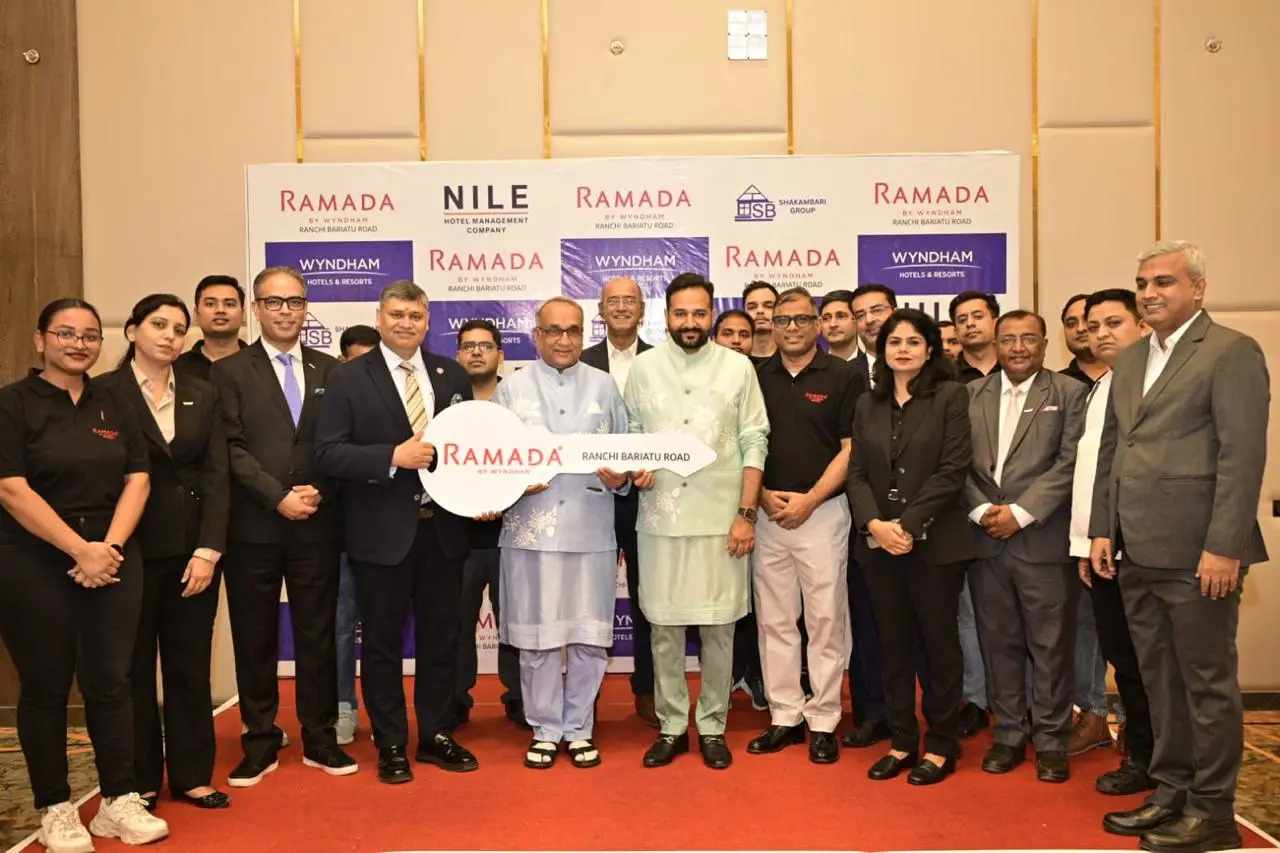
Many hoteliers also benefit from working with a full-service provider that supports both operational excellence and strategic development. As one of the best hotel management company india with sustainability expertise, Nile Hospitality helps clients navigate the complexities of hotel operations while integrating responsible practices that appeal to modern travelers.
Conclusion: The Future of Sustainable Hospitality
Sustainability in hospitality is no longer optional; it is essential for long-term relevance and profitability. Hotel consultants are at the forefront of this transformation, guiding properties through thoughtful, strategic changes that enhance environmental performance and guest satisfaction.
From strategy development and operational improvements to culture change and impact measurement, consultants provide the expertise hotels need to thrive in a sustainable future. By embracing sustainable practices with the support of seasoned professionals, hotels can deliver exceptional experiences, build strong brands, and contribute positively to their communities and the planet.









Write a comment ...